Why Are C-Dramas Where The Mask Ends & The Early Spring So Popular?
They've got viewers hooked, but are Chinese dramas sacrificing good storytelling for online buzz?


If you've been watching Chinese dramas lately, you might have noticed two trends: Period romances are all about strong female leads, while modern romances are getting increasingly steamy.
A Chinese drama critic recently summed it up in one cheeky line: “Period idol dramas are stuck on strong female leads, while modern idol dramas are heading straight for the bedroom.”
The comment went viral, sparking debate over whether Chinese dramas are sacrificing good storytelling for views.
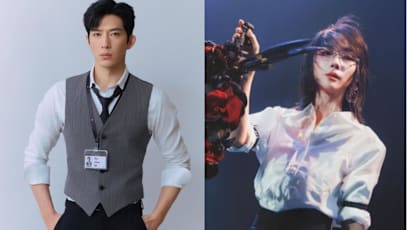
A report by HK01 took a closer look at these trends through two popular dramas, Where The Mask Ends, starring Tian Xiwei and Yan An, and The Early Spring, starring Jing Boran and Sun Qian.

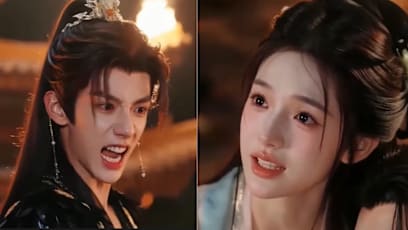
Like many Chinese period romances, Where The Mask Ends is marketed as a drama featuring a strong, independent heroine.
The drama follows A Chou (Tian Xiwei), a wealthy family's long-lost biological daughter who grew up among commoners.
She is forced to marry Lu Zhuo (Yan An), the badly injured and unconscious heir of a powerful noble family, in hopes that the marriage will bring him good luck and help him recover.
Tian plays two roles in the series, which is airing on Netflix.
While the drama has been praised for featuring two equally strong leads, some viewers have pointed out that it still follows the familiar trope of a poor girl marrying into a powerful family.
Lu Zhuo is also a respected general, making him far more powerful than the heroine.
Female leads may have evolved from damsels in distress to fearless generals and savvy businesswomen, but their male counterparts somehow always end up being even more powerful.
Some netizens feel that if dramas really want to promote female empowerment, they should give audiences genuinely independent heroines instead of recycling the same old Cinderella story with a new twist.

Meanwhile, modern Chinese romance dramas seem to have found another way to get viewers talking: Steamy kissing scenes.
The Early Spring follows Shang Zhitao (Sun Qian), a young woman trying to build a career in Beijing, and Luan Nian (Jing Boran), a sharp-tongued advertising director.
The pair go from clashing at work to having a six-year secret romance, before misunderstandings drive them apart. Years later, they reunite, with Luan Nian determined to win her back.
The drama has received praise for its realistic portrayal of working life in Beijing, complicated adult relationships and personal growth.
But let's face it, it's the chemistry between the leads that's really getting people talking.
Unlike the usual slow-burn romances, The Early Spring dives straight into the couple's intimate relationship, with their passionate kissing scenes going viral on social media.
One netizen even commented: “Chinese modern romance dramas have finally stopped pretending to be innocent.”
The production reportedly also became the first Chinese drama to employ a professional intimacy coordinator, highlighting the importance placed on its intimate scenes.

According to critics, both types of dramas are essentially doing the same thing: Giving audiences what they want, but not necessarily what makes a good story.
Period romances promise strong, independent heroines, only to have them overshadowed by even more powerful men.
Modern romances, meanwhile, turn up the heat with passionate kissing scenes, sometimes at the expense of meaningful character development.
Critics argue that while these formulas may generate plenty of buzz, they don't necessarily keep viewers invested or leave a lasting impression.
After all, a strong heroine or a steamy kiss may get viewers to tune in, but a good story is what keeps them watching.
Photos: Netflix
Watch Now
Related Stories



Shopping