Hong Kong Prison Service's K-Pop-Style Anti-Drug AI Video Backfires; Viewers Say It Promotes Drugs Instead
The video, which featured four AI-generated female idols named after illegal drugs, backfired in a big way.


Hong Kong’s Correctional Services Department recently tried something a little different — using an AI-generated K-pop-style girl group in an attempt to discourage drug use. Spoiler alert: It did not go as intended.
The video, titled Obsession: The Sugar-Coated Trap, was posted on the department’s social media accounts last Friday (Jun 26).
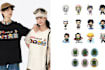
Styled like a campy music video, it featured four pretty AI-generated idols dressed in colourful stage outfits. Each character was named after a different drug — Weedy, Coke, Icy and Little E — representing cannabis, cocaine, crystal meth and etomidate respectively.
The AI idols even had their own taglines — “With a romantic puff of smoke, one stick is all it takes to forget your worries,” sings Weedy. Coke, meanwhile, bragged about keeping your mind sharp, while Icy promised an out-of-body experience, and Little E offered to “take you to space”.
The video quickly went viral, but not quite for the right reasons.
Viewers were left baffled by its message, with many saying it seemed to glamourise drug use rather than discourage it, as the tone came across more upbeat than cautionary.
In response to the backlash, the department took the video down and uploaded an edited version. But it was two shots, two misses.
The revised video showed the four idols transforming into unattractive elderly men before eventually ending up behind bars, ending with the message: “Drugs are extremely harmful and can ruin a life.”
However, that version was also removed from the department’s social media page soon after.
Apparently, some viewers didn’t stick around long enough to catch the cautionary ending, landing the campaign right back at its original problem.
Others, however, quickly found humour in the whole episode, with memes of the idols spreading across the internet and netizens even recreating the catchy taglines.
Fan-made merch featuring the AI idols even began circulating, from stickers to photo cards — pretty much what you’d expect if they were real K-pop idols.

The department later released a statement thanking the public for their feedback and apologising for how the video was produced and presented.
“We will review our entire social media production process to ensure our crime prevention and educational messages are clear and accurate,” a spokesperson said, adding that the team will also look at striking a balance between creativity and public acceptance.
They also confirmed that the video has been removed. The public responded positively to the department’s statement, with many praising it for admitting the mistake and correcting it quickly.
Some also remarked that, at the very least, the campaign succeeded in drawing attention.
A department spokesperson said the video was created using AI and was intended to deliver an anti-drug message “in a way that appeals to young people,” emphasising that drugs are “poison wrapped in a sugar-coated package”.
The spokesperson added that the department took public feedback seriously and quickly re-edited the video to better highlight the dangers of drug use and avoid misunderstandings. The video was also produced in-house, so no additional public funds were used in the project.
This is not the first time an anti-drug campaign in Hong Kong has misfired. Back in March, the Security Bureau had to apologise after a banner at Tsim Sha Tsui MTR station accidentally sent the wrong message when viewed from a certain angle.
The banner featured Heavenly King Aaron Kwok alongside the slogan: “Let’s stand firm together and not take drugs.” However, part of the wording was hidden when viewed from another perspective, where the message appeared to read: “Stand firm together and take drugs.”
As hilarious as these mistakes are, going from anti-drug message to accidental drug ad, at least it’s… a good effort?


Watch Now
Related Stories



Shopping