Jobless Due To AI Micro Dramas, Chinese Actors Now Offered As Little As S$19 To License Their Faces For AI Dramas
Companies are now looking to buy the “faces” of actors to use in their dramas instead of hiring the actors to, you know, act.


Lately, reports about China’s entertainment industry have highlighted how AI is changing the way dramas are made, and the harsh reality is that actors now have fewer jobs.
In fact, some actors who once earned 20,000 to 30,000 yuan (S$3.8K to S$5.7K) a month are now seeing their pay cut down to just hundreds of yuan, with some even struggling to find work altogether.
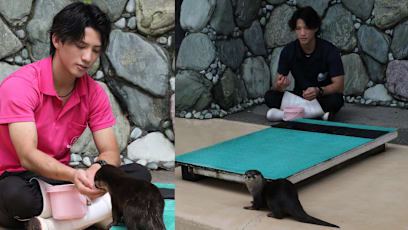
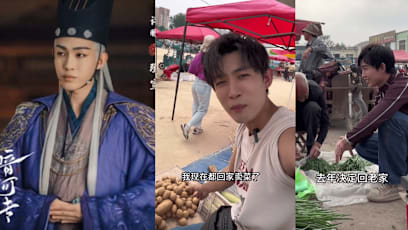
One of them, Xu Peng, a popular short drama actor who once filmed 15 to 16 hours a day during his peak, was recently revealed to have returned to his hometown to sell vegetables after finding it increasingly difficult to land roles.
Similarly, well-known actor Dong Zijian made headlines at last month’s Weibo Night event when he introduced himself on stage and shared that his schedule was completely free, asking industry professionals to reach out if they had acting opportunities.
Another actor, Liu Haoran, was also reported to have publicly called on directors to give him work after allegedly going more than 140 days without receiving an acting offer.
The topic “most celebrities are unemployed” quickly became a trending topic on Weibo.

Chinese actor Xu Peng reportedly returned to his hometown to sell vegetables after AI left him struggling to land roles.
The solution some actors have turned to? Licensing their faces for a paycheck.
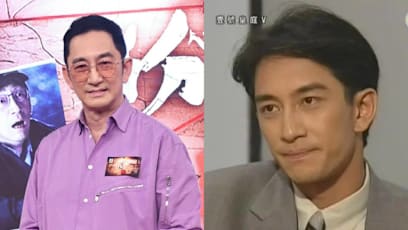
For some actors like Hong Kong actor Lawrence Ng, AI has become an additional income stream. He was reported to have licensed his younger likeness for an AI film, saying he received a “quite good payout” without having to act.
However, not every actor has been offered a deal presumably as lucrative as the one reportedly given to the 62-year-old former TVB actor.
The trend of AI “buying faces” has become increasingly common in the industry, with short drama actor Wu Weibin revealing that such arrangements have been popping up more frequently in actor chat groups.
The payout? Anywhere from 500 to 1,500 yuan (S$95 to S$286), with most deals involving a one-off, permanent transfer of likeness rights.
Some production teams are even reportedly “bundling” likeness rights into casting agreements, meaning actors who want the role would also have to agree to license their faces.
On platforms like Douyin and Xiaohongshu, advertisements looking for “facial materials” have also been making the rounds. Some short drama casting groups offer as little as 100 yuan (S$19) to “buy” faces, requiring just two to three photos and a signed consent agreement, with the entire deal taking only around 10 minutes.
At the end of the day, it all comes down to cost.
AI is making dramas cheaper and faster, with productions completed in weeks instead of months.
According to a 2026 China Online Audiovisual Industry report, more than 95 percent of micro-dramas released in China’s first quarter involved AI-generated or AI-assisted production. Live-action short drama projects have also dropped, with fewer jobs available for background actors and lower pay for lesser-known performers.
However, while AI may put more pressure on newcomers and less popular actors, some experts believe it is unlikely to replace human performers completely.
Economist Song Qinghui said AI will likely replace more repetitive roles, while actors with strong skills and unique personalities will still stand out. He added that the industry’s slowdown, with fewer productions and lower box office earnings, is also a major reason for fewer acting opportunities.
A director has also said that while AI is changing the industry, he does not believe it will replace actors completely. He added that AI may not always be the cheaper option once production and post-production costs are taken into account.
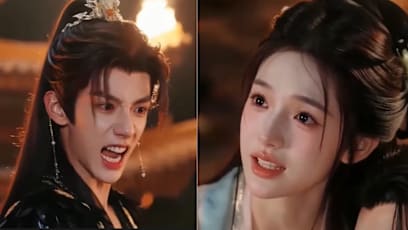
As popular as some AI dramas have gotten, many viewers have said they still prefer seeing “real actors” on screen, with some finding AI-generated performers “uncanny” or unable to fully capture human emotions. Others commented that “all AI lead actresses look the same”, making it harder to connect with the characters.
A good number even added that they have chosen to avoid AI-generated dramas altogether, showing support for actors affected by the industry’s growing use of AI.


Watch Now
Related Stories
Shopping