Why Did A One-North Office Smell Like Cooked Rice? The Answer Was A Civet Cat
It seems not every smell of cooked rice in Singapore comes from a rice cooker.

Imagine sitting in the office on a regular weekday morning when you suddenly catch a whiff of freshly cooked rice.
Naturally, you would assume someone has started lunch very early.
Instead, the smell turned out to be coming from a civet cat.
A tech company manager working in One-North recently told Chinese daily Zaobao that she and her colleagues became puzzled after noticing a distinct smell resembling rice being cooked around 10am on May 5.
She and her colleagues initially noticed the smell, then moments later, they spotted what appeared to be animal claws moving above the office ceiling.
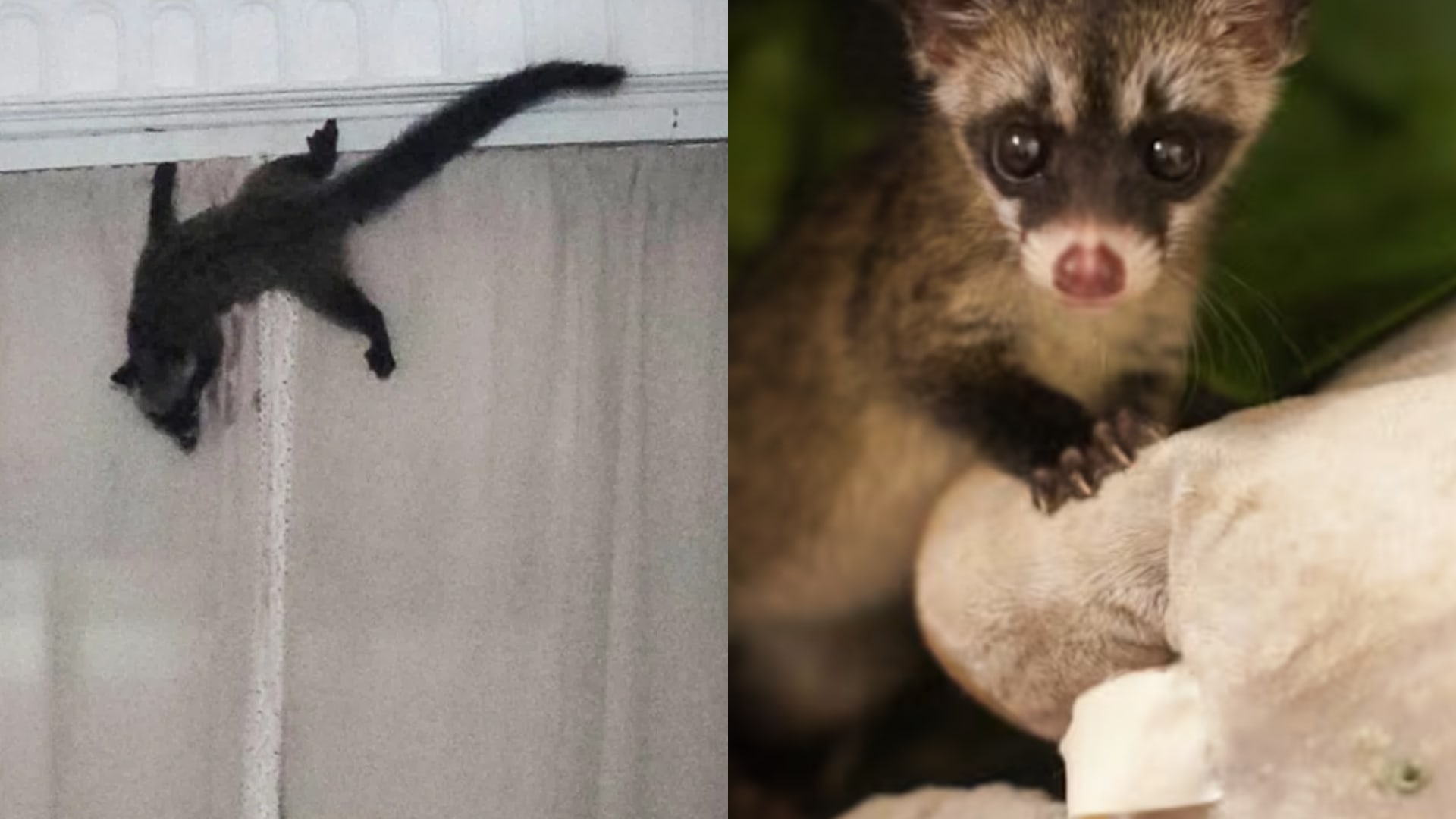
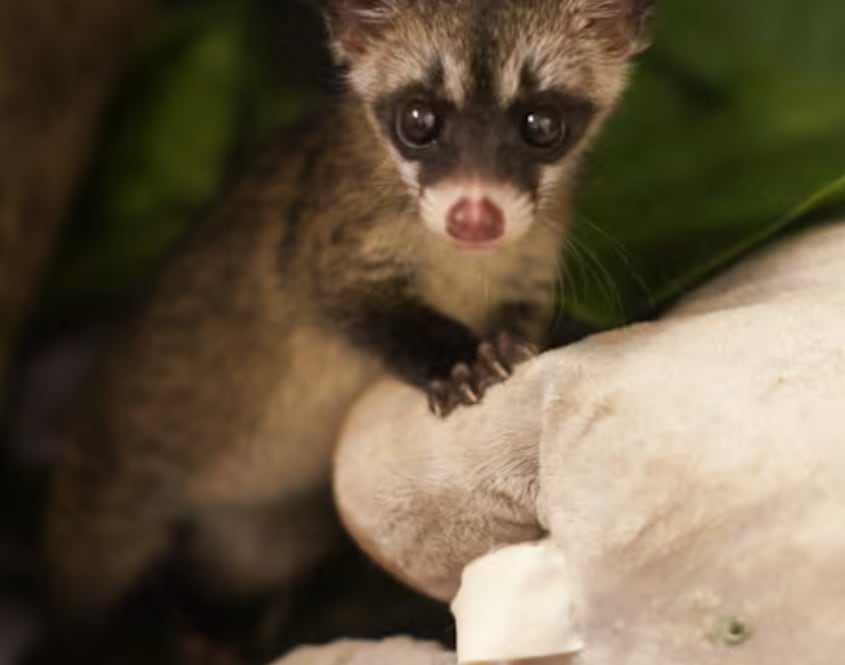
A civet cat was hiding in the ceiling space above the office.
Wait, how?
According to information published on NUS blog, the distinct aroma of cooked rice comes from its scent glands.
Nparks told Zaobao that contractors were dispatched to investigate.
However, by the time officers arrived, the civet cat had apparently already left.
NParks later confirmed it received a report on May 5 and sent personnel to the location.
No further sightings in the area were reported afterwards.
Interestingly, the One-North incident is not the only recent civet cat encounter making headlines.
Social media has been flooded with reports of civet cats turning up in increasingly unexpected places.
Earlier this year, a Bukit Timah family spent days trying to solve the mystery of their disappearing bananas.
Initially suspecting rats, they were shocked to find a civet cat in the trap the following morning.
Meanwhile, a resident in Pasir Ris recently discovered a civet cat inside her living room around midnight.
The animal reportedly climbed onto her curtains and ended up in a tense staring contest with the family's pet cat.
According to NParks, the agency receives an average of about 850 reports involving civet cats every year, though most of these reports are simply sightings.
Civet cats are native to Singapore and can be found in residential areas, sitting next to forests.
As nocturnal animals, they are often attracted by food sources and nesting spaces, which sometimes leads them into residential homes or office ceiling spaces.
If you happen to come face-to-face with a civet cat, NParks advises people to remain calm and avoid cornering, chasing or provoking the animal.
People are also encouraged to store food properly and seal roof or window gaps to reduce the chances of wildlife entering indoor spaces.

Photos: Lianhe Zaobao, NUS Blog, NParks, Acres
Watch Now
Related Stories
Shopping